Reliable Pest Control Services for Schools and Daycare Centers
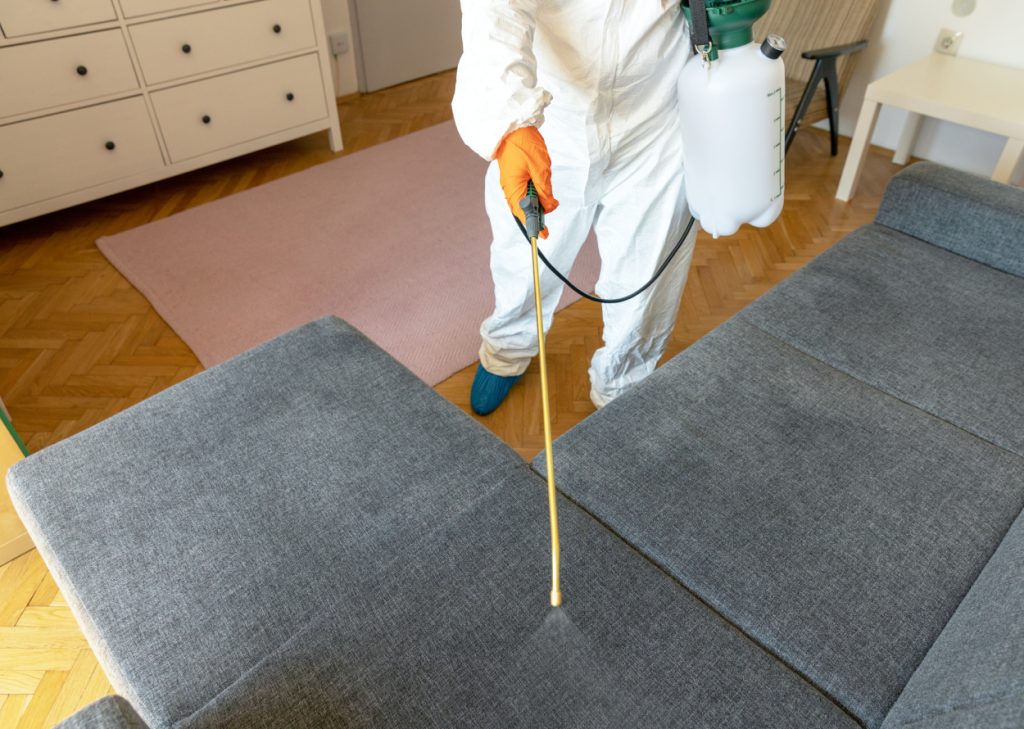
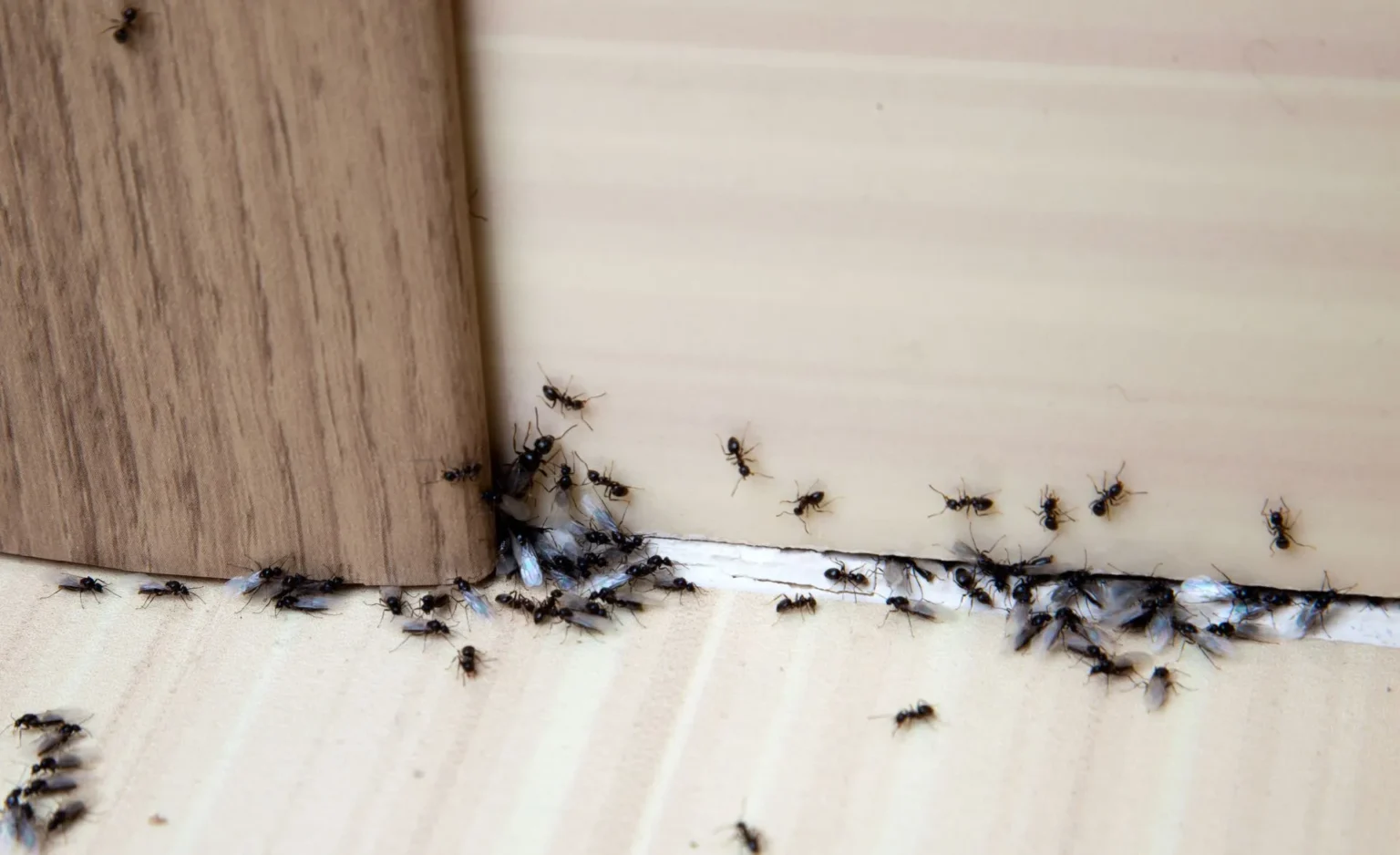
A school or daycare can tolerate very little uncertainty when it comes to health, safety, and daily operations. Pest activity is not just an inconvenience in these environments. It can interrupt meal service, trigger parent complaints, damage buildings, contaminate supplies, and create avoidable risks for children who are still developing their immune systems and hygiene habits. The standards are rightly higher here than they are in many commercial settings.
Reliable Pest Control Services for schools and daycare centers require a different mindset from standard residential work or even routine office treatment. The work has to be preventive, discreet, well documented, and compatible with environments where infants, toddlers, and school-age children spend long hours eating, learning, playing, and napping. A technician can solve an ant trail in an office with minimal planning. In a preschool classroom, that same issue demands more judgment. You have to think about exposure pathways, timing, sanitation practices, toy storage, nap mats, food crumbs under cubbies, and how staff will explain any action to concerned families.
The difference between adequate service and truly reliable service usually comes down to three factors: consistency, communication, and practical experience in sensitive facilities. Schools and daycare centers do not need generic treatments. They need a partner who understands how these buildings actually function day to day.
Why educational and child care settings are especially vulnerable
Children create conditions pests like. That sounds blunt, but it is true. Young kids snack often, spill easily, and do not always notice when juice leaks into a backpack or crackers crumble behind a bookshelf. Classrooms collect paper, cardboard, fabric items, art supplies, and shared materials that create harborage for pests if storage slips. Playgrounds and outdoor learning areas add another layer, especially where mulch, standing water, dumpsters, and landscaping meet entry doors.
Daycare centers, in particular, have rhythms that make pest prevention more demanding. There may be bottles warming in one room, diaper disposal in another, small kitchens or food prep areas near classrooms, and soft furnishings throughout the building. Even well-run facilities can develop conditions that support fruit flies, pharaoh ants, cockroaches, rodents, or occasional invaders such as spiders and stinging insects.
Schools face a different scale of challenge. A single building may include cafeterias, teacher lounges, vending areas, locker rooms, custodial closets, science rooms, athletic spaces, and portable classrooms. Every one of those zones has its own risk profile. Cafeterias attract cockroaches, flies, and rodents. Locker rooms often struggle with moisture. Portable classrooms sometimes have gaps around utility penetrations and doors. Storage rooms become long-term shelter if clutter accumulates.
One common mistake is treating the entire property as if pest pressure were evenly distributed. In practice, pest activity is highly local. An experienced provider studies where food, water, warmth, and shelter intersect, then builds a control program around those pressure points. That is what makes service reliable rather than reactive.
Reliability starts long before treatment
The best school pest control programs are built on inspection, monitoring, and correction of conditions. Treatment matters, but treatment alone is rarely the main story. If a provider shows up, sprays broadly, and leaves without discussing sanitation gaps, maintenance issues, or building vulnerabilities, that is not a dependable program for a child-centered setting.
A careful initial assessment usually reveals more than staff expect. I have seen ant complaints traced to forgotten juice pouches in reading corners, rodent activity linked to damaged weather stripping on delivery doors, and recurring drain flies tied to a mop sink room no one considered high risk. In one child care facility, staff were convinced they had a recurring outdoor ant problem. The real issue turned out to be honey-based cough syrup drips in a medicine storage area and a tiny opening around a conduit line. Once the opening was sealed and the storage protocol tightened, the calls stopped.
That is the pattern in many schools and daycare centers. Pests exploit routine, not chaos. They settle into overlooked habits and neglected seams. Reliable Pest Control Services identify those habits before they become repeat incidents.
The pests that matter most in schools and daycare centers
Some pests are simply more consequential in child care and educational environments because of the way children interact with their surroundings. Cockroaches are a major concern because they contaminate surfaces and can aggravate asthma and allergies. Rodents introduce gnawing damage, droppings, odor, and contamination risks. Ants may seem minor until they begin appearing in lunch areas, infant rooms, or classroom sinks. Flies can spread filth from waste or drains to surfaces used by children. Stinging insects become urgent when outdoor play spaces are involved, especially for children with known allergies.
Bed bugs occasionally enter schools and daycare centers by hitchhiking on bags, blankets, coats, or nap items. They are not typically tied to sanitation, which makes them emotionally charged and difficult to manage. A reliable provider handles those cases with calm, precision, and confidentiality. Panic leads to bad decisions, including unnecessary closures, stigma, and over-treatment.
Stored product pests also appear more often than many people realize. Crackers, cereal, pet food for classroom animals, birdseed, and bulk pantry goods can all attract beetles or moths. The pest issue may not be dramatic at first. It often starts with a few insects near a shelf and becomes a persistent complaint when old stock and new stock mix.
Each pest requires a different response. There is no universal school treatment that makes sense across all situations. That is why experience in educational facilities matters.
What safe and sensible pest control looks like around children
Parents and administrators often ask the same question in different ways: how do you control pests without creating another risk? The answer lies in integrated pest management, usually called IPM, but the phrase only matters if the practice behind it is real.
In a school or daycare setting, sensible pest control starts with the least disruptive and least exposure-prone methods that can genuinely solve the problem. That often means crack and void treatments rather than broad applications, tamper-resistant bait stations rather than accessible materials, drain sanitation where needed, exclusion work, habitat correction, and careful monitoring. It also means scheduling work when children are not present whenever possible and following all label directions without exception.
A trustworthy provider should be able to explain why a specific method is being used in plain language. If there is a gel bait in a kitchen hinge or a monitored station in an exterior utility area, staff https://www.google.com/maps?cid=8307399824021782015 should understand the purpose and placement. Ambiguity undermines confidence. Clarity builds it.
There is also a practical side to safety that has nothing to do with product choice. Good technicians think about how schools function. They do not place equipment where little hands can reach it. They do not leave residue on active surfaces. They do not block exits or disrupt classroom flow. They know the difference between a serviceable treatment area and a space where curiosity, crawling, climbing, and shared contact are part of the normal day.
The value of scheduling that fits the building
Timing is one of the most underrated parts of reliable service. A treatment performed at the wrong hour can create unnecessary stress even if the technical work is sound. In schools and daycare centers, service schedules should reflect pickup and drop-off times, meal prep windows, cleaning routines, special events, and seasonal occupancy patterns.
Summer break offers opportunities for deeper corrective work in many schools, especially exclusion repairs, storage cleanouts, and room-by-room inspections. Daycare centers may not have a long quiet period, which makes after-hours or weekend service more important. Some pests, such as yellowjackets near play areas, require rapid response regardless of schedule. Others can be handled during planned service windows if the provider and facility communicate well.
Reliability shows up in whether the company can adapt. A missed visit in a restaurant is inconvenient. A missed visit in a daycare center during a fruit fly outbreak in warm weather can lead to parent concerns within a day or two. Fast follow-up matters.
Documentation is not paperwork for its own sake
Schools and child care facilities often need records for licensing, district oversight, health inspections, or internal compliance. But documentation should do more than satisfy an audit. It should help the facility understand patterns and make better decisions.
Useful service records note where activity was found, what conditions contributed to it, what was done, and what the staff should correct before the next visit. Vague notes such as "treated as needed" are nearly worthless. They do not help a director, principal, or facilities manager track recurring problem areas. Detailed records can reveal, for example, that ant activity spikes in one wing after holiday snack events, or that rodent pressure increases near a dumpster enclosure when the lid is left open.
The strongest providers also create communication loops. They speak with custodial leads, kitchen managers, teachers when appropriate, and administrators. Not every staff member needs every technical detail, but the right people need enough information to support prevention. A service report tucked into a binder no one reads does not solve much.
Sanitation and maintenance are part of pest control, whether anyone likes it or not
No one wants to hear that pest control is partly a housekeeping and facilities issue, especially when staffing is tight. Still, reliable results depend on cooperation. Even the best Pest Control Services cannot compensate for chronic food residue, plumbing leaks, door gaps, cluttered storage, and unmanaged waste.
That said, experienced providers know how to prioritize. It is not realistic to hand a school a twenty-point correction list and expect immediate compliance. Better practice is to focus on the changes with the highest payoff. Sealing a gap under a back door may matter more than reorganizing an entire supply room. Replacing a leaking faucet in a toddler room may do more to reduce ants than any treatment. Cleaning under a warming cabinet in a daycare kitchen may eliminate the food source that keeps a small roach population going.
When staff understand the why behind recommendations, follow-through improves. A teacher who knows that snack crumbs behind floor cushions are driving ants will usually adjust faster than one who only hears, "Please keep the room cleaner." Specific guidance respects people’s time and makes pest prevention feel manageable.
Choosing a provider: what separates a dependable partner from a basic vendor
Schools and daycare centers should be selective. Price matters, but the lowest bid can become expensive if it leads to repeat issues, emergency callbacks, parent concern, or failed inspections. The real question is whether the provider has the habits and systems to support a sensitive environment over time.
The most dependable companies tend to share a few traits:
- They inspect thoroughly and explain findings clearly.
- They have documented experience in schools, daycare centers, health-related, or similarly sensitive sites.
- They prioritize exclusion, monitoring, and targeted treatment over routine blanket applications.
- They provide detailed service reports and communicate with designated staff after each visit.
- They respond quickly to urgent issues and can work around occupancy and child safety requirements.
That list may look simple, but each point matters. Many service failures trace back to one of them. A provider who cannot communicate clearly will struggle when a parent asks what happened after a pest sighting. A provider who does not document well will leave administrators exposed during oversight reviews. A provider who relies on the same treatment pattern for every account will eventually miss the specifics that define a school environment.
Handling parent communication without creating alarm
One of the trickiest parts of pest management in schools and daycare centers is not technical at all. It is emotional. Parents want reassurance that their children are in a clean, well-run environment. They also want honesty. If a facility appears evasive after a cockroach sighting, a rodent issue, or a stinging insect incident, concern spreads quickly.
A good pest control partner helps administrators communicate with confidence. That usually means giving them accurate, plain-English descriptions of the issue, the risk level, and the corrective action. There is a meaningful difference between "We found evidence of occasional ant activity near a sink and corrected the entry point" and a vague statement that leaves room for speculation.
Transparency works best when it is measured. Facilities do not need dramatic announcements for every isolated insect sighting, but they do need a plan for communicating significant issues and responses. Bed bug incidents are a good example. Families deserve calm, factual information about what was found, how the situation is being assessed, and what steps are being taken. Hysteria helps no one. Silence is rarely better.
Seasonal pressure changes the service plan
Pest activity in educational settings is not static. It shifts with the calendar, weather, and occupancy pattern. Ants often increase in spring. Flies and stinging insects become more relevant in summer and early fall. Rodents tend to push inward as temperatures drop. Back-to-school periods bring more belongings into the building, which can affect hitchhiking pests such as bed bugs.
Reliable Pest Control Services adjust to these cycles instead of pretending every month is the same. Exterior inspections may matter more during warm months. Door sweeps, utility penetrations, and dumpster management become higher priorities before cold weather. During long breaks, schools can use the downtime to address structural vulnerabilities and deep-clean high-risk storage areas. Right after breaks, it makes sense to inspect kitchens, teacher lounges, and food storage zones before normal traffic ramps up.
The facilities that stay ahead of pest issues are usually the ones that treat prevention as a calendar item, not just a response to complaints.
A realistic response plan for common incidents
When a pest issue is reported in a school or daycare center, the first few hours often shape the outcome. Overreaction can be as unhelpful as delay. The key is having a simple process that staff understand before anything happens.
A useful internal response usually includes these steps:
- Record the exact location, time, and nature of the sighting.
- Preserve evidence when practical, such as a photo or specimen.
- Check for immediate contributing conditions, including food spills, leaks, or open doors.
- Notify the designated facility contact and pest control provider.
- Restrict access to the affected area only if the situation genuinely requires it.
That approach sounds basic, but it prevents confusion. I have seen staff report "bugs everywhere" when the actual issue was a cluster of flying ants near a window after rain. I have also seen small warning signs dismissed until they became expensive problems. A documented response process keeps the facility grounded in facts.
Daycare centers need an even finer level of detail
While many principles overlap, daycare centers often require tighter controls than K-12 settings because children are younger and interact more directly with floors, soft items, and shared touch surfaces. Nap areas, diapering spaces, bottle prep stations, sensory tables, and stroller storage can each influence pest risk in ways a standard classroom does not.
Infant rooms deserve special attention. Warmth, moisture, frequent feeding, and fabric storage can attract pests if tiny sanitation lapses pile up. Staff are often doing excellent work under pressure, which is why the pest management plan has to be realistic rather than idealized. Recommendations should fit actual staffing levels and room routines. Telling a daycare team to perform a labor-intensive reset three times a day is not a serious solution if the center is already operating at capacity.
Practical fixes work better. Use sealed containers for snacks. Rotate and inspect soft goods regularly. Keep diaper waste tightly managed. Address drips and sink moisture fast. Store extra supplies off the floor when possible. Small adjustments made consistently are more effective than ambitious rules no one can sustain.
What long-term success actually looks like
Perfect absence of every insect or occasional invader is not a realistic promise for any active building, especially one used by children. Reliability is not about flashy guarantees. It is about reducing risk, catching issues early, and preventing small problems from turning into recurring disruptions.
A strong pest control program for a school or daycare center usually produces visible signs within a few months. Sightings become less frequent. Service reports become more specific and useful. Staff know who to contact and what to note. Maintenance teams understand which repairs have the greatest pest-prevention value. Kitchens and classrooms stop cycling through the same complaints. Emergency calls drop because the building is no longer being managed in crisis mode.
That steadier state is what administrators should expect from professional Pest Control Services. Not miracles, not generic treatments, and not a technician who appears once a month without context. What they need is a disciplined, responsive program built around children’s safety and the building’s real operating conditions.
For schools and daycare centers, that difference is substantial. It protects health, preserves trust, supports compliance, and keeps the focus where it belongs, on learning, care, and the daily work of helping children thrive.
Affordable Pest Solutions LLC
Phone number: +19732299547
FAQ About Pest Control Services
How much does pest control charge?
For a standard 1,500-square-foot home, professional pest control charges generally average $100 to $300 for an initial visit, with ongoing monthly services running $40 to $75 per visit and one-time emergency exterminations costing $100 to $600, depending heavily on the specific pest and the severity of the infestation.
What is the hardest pest to get rid of?
Bed bugs are widely considered the hardest household pest to get rid of, closely followed by German cockroaches and subterranean termites.
What is included in a pest control service?
A standard pest control service includes a property inspection, targeted treatments, and prevention advice. It typically covers common pests like ants, spiders, and cockroaches, using sprays, baits, or traps.